
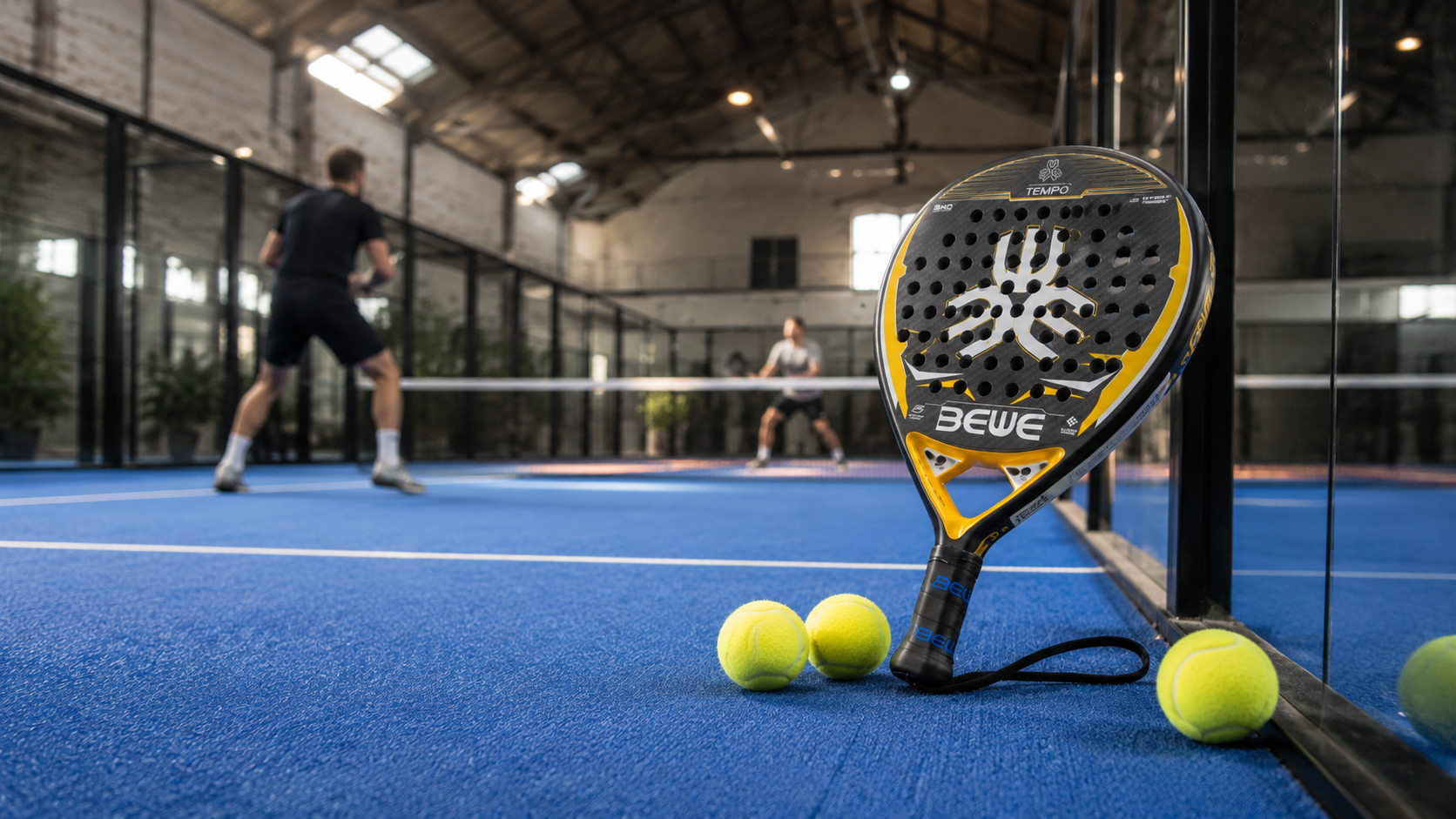
 From Farms to Padel Courts: How Padel Is Creating New Business Opportunities in Europe
Padel is no longer just a popular sport in Spain and Latin America. Across Europe, it is becoming a new business opportunity for clubs, property owners, investors, and sports entrepreneurs.
A recent report from the Financial Times highlighted an interesting trend in the UK: some farmers are converting unused agricultural buildings into padel facilities. In North Yorkshire, one family transformed a former potato storage warehouse into a public padel club. The club reportedly attracted around 3,500 players and became profitable enough to support further expansion.
This shows that padel is not only growing as a sport. It is also creating new ways to use existing buildings and generate new income.
Why Farms and Warehouses Are Suitable for Padel
Padel courts do not always need to be built in traditional sports centers. Compared with some other sports facilities, padel can be installed in different types of spaces, especially if the building has enough height, open floor area, and good access for players.
For rural landowners and warehouse owners, this creates a practical opportunity. Empty barns, old storage buildings, industrial spaces, and unused commercial properties can potentially be converted into indoor padel clubs.
This trend is also supported by strong consumer demand. The Financial Times reported that padel participation in the UK grew from 15,000 players in 2019 to 860,000 players in 2025, showing how quickly the sport has expanded in only a few years.
Padel Clubs Are Becoming Social Spaces
One reason padel grows quickly is that it is easy for beginners to start. Compared with tennis, padel is usually easier to play at a basic level, and doubles games make it more social.
For new clubs, this means the business is not only about court rental. Many padel venues can also develop extra income from coaching, racket rental, retail sales, drinks, events, and membership programs.
This is why padel is attractive for farms and converted buildings. A good padel venue can become a local sports and social destination, not just a simple court facility.
What This Means for Padel Equipment Demand
Every new padel club brings demand for equipment.
New players may first need rental rackets. Coaches need training rackets for different skill levels. Clubs may want customized rackets with their own logo. Retail shops need products for beginner, intermediate, and advanced players.
For padel brands and distributors, this creates several opportunities:
Beginner-friendly rackets
New players usually need rackets that are easy to control, comfortable, and not too heavy.
Durable rental rackets
Clubs need rackets that can handle frequent use and still keep stable performance.
Club-branded rackets
Many clubs want customized rackets with their own logo, color, and packaging.
Higher-level carbon rackets
As players improve, they often look for 3K, 12K, 18K carbon, rough surface, stronger power, or better balance.
This means the growth of padel courts can directly support the growth of padel racket brands and equipment suppliers.
BEWE’s View: Padel Growth Needs Flexible Product Supply
For brands, clubs, and distributors, the padel market is developing quickly. But different markets need different products.
A new rural club may need affordable and durable rackets for beginners. A premium club may prefer customized carbon rackets with a stronger brand image. A distributor may need a complete product line covering different price levels.
That is why flexible OEM and ODM support is becoming more important.
BEWE supports customized padel racket production, including racket shape, face material, EVA hardness, surface finish, color design, logo printing, packaging, and accessory matching. Whether customers are building a new brand or supplying clubs, a clear product structure can help them enter the market more effectively.
Conclusion
The rise of padel in farms, warehouses, and converted buildings shows how fast the sport is changing the sports business landscape in Europe.
For property owners, padel creates a new way to use existing space. For clubs, it creates a social and profitable sports model. For equipment brands, it brings new demand for rackets, bags, grips, balls, and customized products.
As more courts are built and more players join the sport, padel equipment brands that prepare early will have more opportunities in this growing market.
Post time: May-11-2026